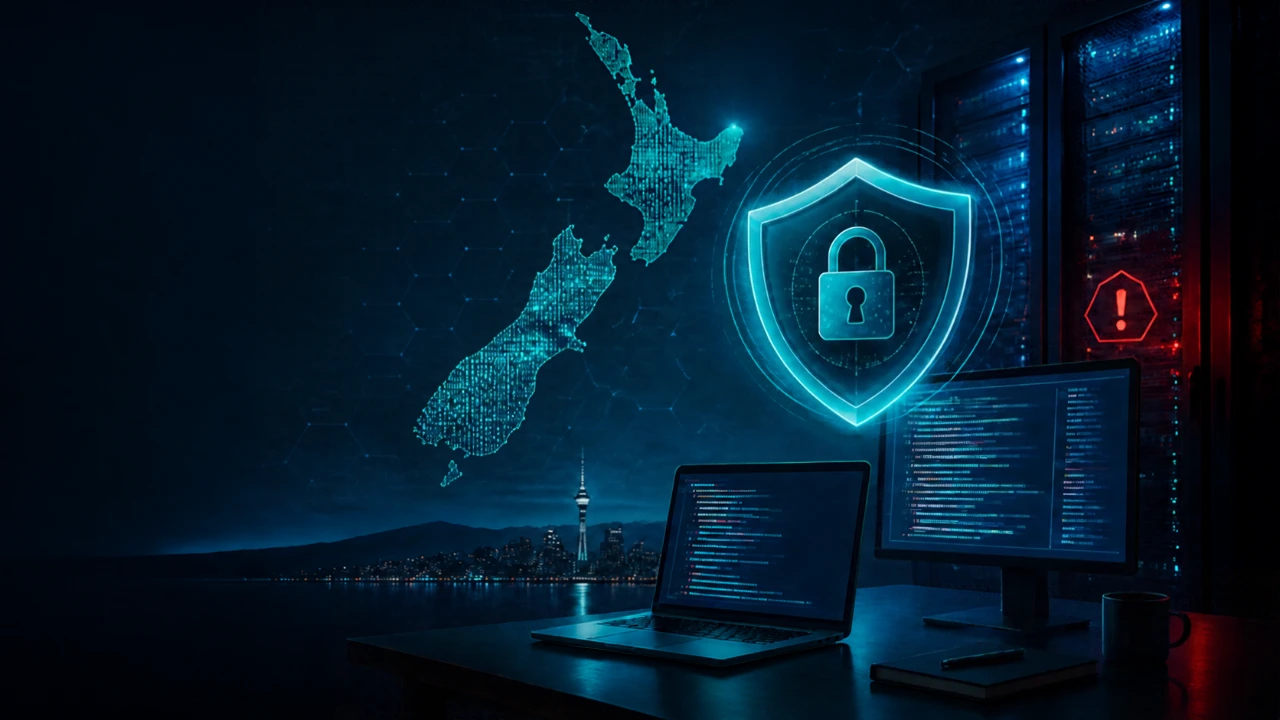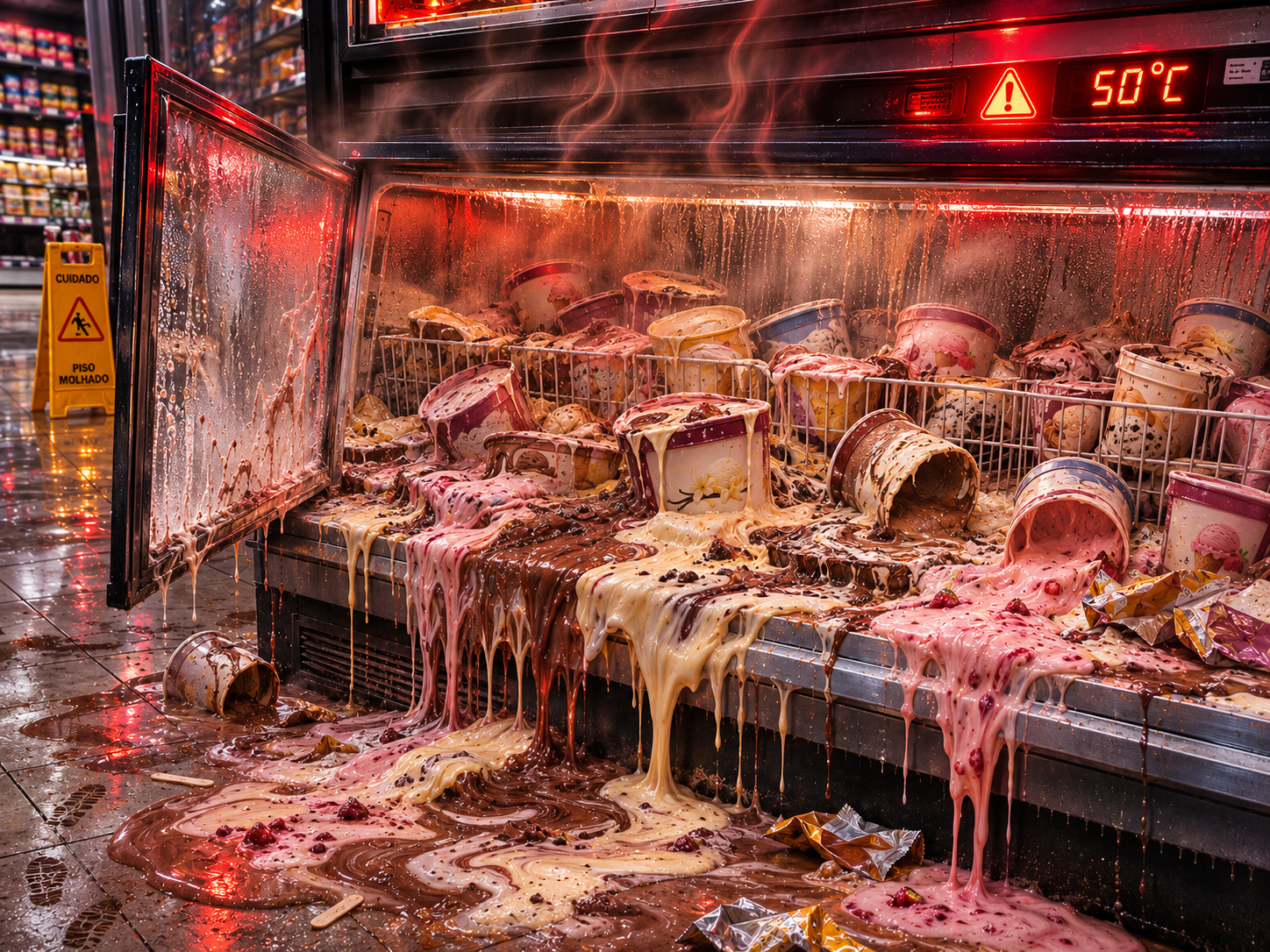
Forget stolen passwords. Europe’s latest cyberattack went straight for the freezer. In October and November 2026, attackers remotely took control of refrigeration systems in hundreds of European supermarkets and pushed freezers as high as 50°C. Food was thrown out, some units caught fire, and losses are expected to run into the tens of millions of euros.
The surprising part? The attackers didn’t need advanced hacking tools. This refrigeration cyberattack succeeded, investigators and suppliers say, because fridge controllers were left open to the internet with outdated software and weak passwords. That is the same kind of connected equipment many New Zealand businesses rely on every day.
Here’s what happened, why it matters for NZ businesses, and the simple steps that can stop yours from becoming the next target.
What Happened in Europe?
There were two major waves of attacks, three weeks apart.
Wave one: France, 11–12 October 2026
Overnight on 11 October, attackers took remote control of fridges and freezers in hundreds of French supermarkets. Intermarché, Netto, Coopérative U, Carrefour, Monoprix and E.Leclerc all reported affected stores (The Hacker News). Intermarché said its units were switched into defrost mode and heated to as much as 50°C.
Some stores saw fires and equipment damage. The head of Les Mousquetaires, Intermarché’s owner, expected losses in the tens of millions of euros. France’s national cybersecurity agency, ANSSI, issued an urgent alert, and Paris prosecutors opened an inquiry.
Wave two: across Europe, 2 November 2026
Then it happened again. Overnight into Monday 2 November, refrigeration systems were tampered with at more than 100 shops across several countries (Al Jazeera). Affected businesses included:
- Delhaize: several dozen stores in Belgium and Luxembourg
- Carrefour Belgium: 15 of more than 700 stores
- SuperValu (Ireland): 13 stores, where chilled and frozen food was pulled from sale
- Coop and ICA (Sweden): a handful of stores, with some freezers set to 50°C
- Smaller businesses: at least 17 businesses in the Netherlands, including butchers and local shops, and one Belgian butcher who lost about €15,000 of meat (The Hacker News)
No group has claimed responsibility. Belgian prosecutors have opened a criminal investigation. The EU’s agriculture commissioner described the attacks as a deliberate attempt to disrupt Europe’s food supply.
How Did Hackers Get Into the Fridges?
Modern supermarket fridges are run by a small computer called a refrigeration controller. It manages temperatures and defrost cycles for every cabinet in the store. Many controllers are connected to the internet so refrigeration contractors can monitor them and fix faults remotely.
That convenience became the way in. Most systems hit were made by Danish manufacturer Danfoss, and a few used equipment from other makers. Investigators and suppliers pointed to three common weaknesses:
- Direct internet exposure. Anyone online could reach the controllers’ web login pages, not just the contractor.
- Outdated or end-of-life equipment. Danfoss said most units hit in France were older models it no longer updates. Others were newer models running old firmware.
- Default passwords. In the Netherlands, Danfoss said the affected systems were not on a secure network and still used factory default passwords.
Once inside, attackers did not need anything sophisticated. They simply switched units into defrost mode or raised the target temperature, then let the heat do the damage.
The warning signs were there. In August 2026, security firm Claroty published research on flaws in a Danfoss controller. It also reported finding thousands of these controllers reachable from the internet (Claroty Team82).
Why Connected Devices Are an Easy Target
Fridges are just one example. Most businesses now run several “smart” devices that quietly sit on the network: security cameras, EFTPOS terminals, heat pumps, alarm systems, smart locks and building controls. These devices share the same weak spots.
Set and forget
Connected equipment is often installed once and never looked at again. It can run for years without an update, long after the maker stops releasing security fixes. One controller model hit in France had been phased out by Danfoss back in 2016.
Managed by someone else
Many devices are installed and maintained by an outside contractor. University of Bristol cybersecurity professor Awais Rashid told Al Jazeera that many remotely managed supermarket systems had missed important software updates. The business owner often assumes the contractor handles security, while the contractor assumes the business does.
Built for convenience, not security
Easy remote access, simple passwords and open web logins make life easier for technicians. They also make life easier for attackers, who use automated tools to scan the internet for exposed devices around the clock.
What This Means for New Zealand Businesses
So far, the reported incidents have been in Europe, with suspected cases at US military base stores earlier in 2026. But the equipment involved is sold worldwide, and the weaknesses are not unique to Europe. It was also not only big chains that were hit. Independent butchers and small local shops in Belgium and the Netherlands suffered too.
For a small or medium business, a similar attack could mean:
- Stock losses. Spoiled chilled and frozen goods can cost thousands of dollars overnight.
- Food safety and compliance risks. Selling products that may have broken the cold chain could put customers at risk and breach your food control plan.
- Downtime and lost sales. Empty shelves mean customers go elsewhere, and some may not come back.
- Equipment damage and insurance headaches. French stores reported fires and melted units. Insurers may also ask what security measures you had in place.
- Reputation damage. Customers expect the food they buy to be safe, and trust is hard to rebuild.
The risk is not limited to fridges either. Any internet-connected device on your network can be a doorway into your wider systems, including your website, emails and customer data.
How to Protect Your Business: 7 Practical Steps
The good news is that most of these attacks were preventable. Several suppliers noted that stores which secured their connections after the French attack were not affected the second time. The steps below are partly based on guidance from France’s national cybersecurity agency and Sweden’s National Cybersecurity Centre.
-
Make a list of every connected device
Walk through your premises and note anything that connects to the internet: fridges, cameras, EFTPOS, alarms, heat pumps and building controls. You cannot protect what you don’t know about.
-
Take devices off the open internet
Ask whether each device really needs to be reachable online. If remote access is needed, it should go through a secure VPN or protected network, not a login page anyone can find.
-
Change default passwords
Replace factory passwords with strong, unique ones, and turn on multi-factor authentication wherever it’s available.
-
Keep software and firmware updated
Install updates regularly, and plan to replace equipment that no longer receives security fixes. This applies to your website too. Our guide to PHP security updates for NZ businesses explains why outdated software is such a common way in.
-
Talk to your contractors
Ask your refrigeration, alarm and IT providers how they connect to your equipment, who has access, and how they keep it secure. Put clear security responsibilities in writing.
-
Separate your networks
Keep smart devices on a different network from your point-of-sale systems, office computers and guest Wi-Fi. If one device is compromised, the damage stays contained.
-
Monitor, back up and plan
Use temperature alerts that notify you if something changes overnight, and check settings such as defrost schedules regularly. Keep secure backups of important business data with a service like cloud backup for Microsoft 365 and Google Workspace, so you can recover quickly if something goes wrong. Free, practical guidance is also available from the NCSC’s Own Your Online website.
Final Thoughts: Small Gaps, Big Consequences
The European refrigeration cyberattack is a clear reminder that cyber security is no longer just about computers and email. Today, the devices that keep your stock cold, your doors locked and your payments flowing are all part of your digital footprint.
The attackers did not break in through clever new tricks. They walked through doors left open: devices exposed online, old software and default passwords. Closing those doors is usually simple and affordable, and it costs far less than a cold room full of spoiled stock.
At Waiktech, we help small and medium businesses across New Zealand build a safer digital foundation, from secure website hosting and support to automated cloud backups. If you’re not sure where your business stands, get in touch with our team for a friendly, no-pressure chat.